When is the best time to sail to The Galapagos? Any time you can! There is no season or month that is better or worse for traveling to the islands. What changes month to month is the weather, the currents, the flora, fauna and the wildlife.”
– Cruising To The Galapagos
So in choosing the right time to sail it is a matter of knowing what is on your bucket list to see. Is it the Green Turtles hatching? Is it the Penguins swimming with you in the cool waters? Are you hoping to watch the dancing courtship of the Blue Footed Booby? Are you wanting to see the best sunsets of the year? Or do you want to snorkel in the warmest waters?
The answer is that there is no BEST TIME to explore the wonders of the Galapagos. And more importantly there is no bad time to go! It’s all about what is on your dream list to experience on this amazing adventure!
Please note that any expedition will tell you that they cannot guarantee that you will see the wildlife as listed below. After all, we cannot control nature, can we?
Wet Season and Dry Season
JANUARY TO MAY – WET SEASON
At this time of year the weather is warmer, often with afternoon showers. Because of this the water temperatures are also higher which makes for the warmest waters to snorkel all year.
JUNE TO DECEMBER – “GARUA” DRY SEASON
There is a lovely morning mist called Garua, or drizzle at this time of year. The temperatures are cooler and range rom 66°F to 79°F. The cooler weather and water makes snorkeling more exciting as it creates more nutrient rich water which translates to more marine wildlife near the surface.
Wildlife and Weather Month to Month

JANUARY- WET SEASON
- January begins the Wet Season with afternoon showers likely and temperatures ranging from 72°F to 86° F
- Water temperatures are warmer which allows you more time to snorkel comfortably!
- Warmer water temperatures also mean less algae and phytoplankton which also mean fewer marine animals on the surface
- Green Sea Turtles arrive to the beaches to lay their eggs
- Land Iguanas on Isabela Island begin their reproductive cycles
- Adult Marine Iguanas on Hood (Espanola ) Island become brightly colored
- After the first rain Land Birds start nesting

FEBRUARY- WET SEASON
- Wet Season with afternoon showers likely and temperatures ranging from 75° to 86°F
- Highest Water Temperatures of the year.
- Marine Iguanas nest on Santa Cruz Island
- The peak of the nesting season for The Galapagos Dove
- Flamingos begin nesting on Floreana Island
- The Black Tailed (Bahama Pin Tailed) Ducks start their breeding season
- The Masked Nazca Boobies on Hood Island end their nesting season
- Few Penguin Sightings

MARCH- WET SEASON
- Higher Humidity with the highest annual rainfall and temperatures from 75° to 88°F
- The surf is much higher on the Northern Beaches
- Marine Iguanas are nesting on Fernandina Island
- March 21st, the vernal equinox brings the arrival of the Waved Albatross to Espanola
- The warm waters still have active Penguins swimming right next to tropical fish
- Very active time for Marine Life

APRIL- WET SEASON
- With the end of the wet season there is less rain and temperatures from 75° to 88°F
- The visibility for snorkeling is clearer
- The wondrous courtship of the Waved Albatross begins as they arrive in huge numbers to Espanola
- The Giant Tortoises’s hatching season comes to an end
- The Green Sea Turtles begin to hatch from their eggs
- The Land Iguanas begin to hatch from their eggs on Isabela

MAY – WET SEASON
- Temperatures range from 72° to 79°F
- The famous courtship begins of the Blue-Footed Booby on North Seymour
- Marine Iguanas’ eggs are hatching from their nests on Santa Cruz
- The Palo Santo Trees begin to shed their foliage
- It’s egg laying time for the Waved Albatross on Espanola
- The first nesting period of the Band-rumped Storm Petrels begins

JUNE- DRY SEASON
- Beginning of the Garua Season with light mists and temperatures range from 70° to 79°F
- The migration of the Giant Tortoises from the highlands to the lowlands in search of nesting places begin
- The surging waves and currents are stronger which makes snorkeling more difficult
- Perfect time to view the Magnificent Frigate bird’s red bellies on North Seymour
- Possible sightings of Humpback whales as they migrate up to equatorial latitudes
- Galapagos is a rest stop for many species of birds migrating north this month

JULY- DRY SEASON
- Water temperatures cool off as the air temperatures range from 66°F to 79°F
- The Sea Bird Community is extremely active with the Blue-Footed Booby at it’s most on Espanola
- The courtship rituals of the Flightless Cormorants can be seen as they nest on Ferdinanda
- Off the coast of Isabela the Whales and Dolphins can be spotted
- American Oystercatchers are nesting
- All four stages of the Blue-footed boobies are seen, eggs, chicks, juveniles and adults
- Lava Lizards begin their mating rituals through November

AUGUST- DRY SEASON
- Water temperatures cool off as the air temperatures range from 66°F to 79°F
- The currents are very strong as the water temperatures are at the lowest
- Giant Tortoises return return to the Santa Cruz Highlands
- The Sea Lion pupping season begins on the Central and Western Islands
- The Migrant Birds continue to arrive on the islands through March
- The Masked Nazca Boobies and the Swallow-tailed gulls are nesting on Genovesa Island

SEPTEMBER- DRY SEASON
- Water temperatures continue as the air temperatures range from 66°F to 79°F
- On Bartolome, the Penguins start their most active time
- Since May snorkelers revel as Penguins swim by their sides but in September get extremely active on Bartolome
- Sea Lions are most active and in their mating season as the females are in heat. Shore fighting is prevalent as the males can be seen barking and fighting over the females
- Seabirds are still active and seen nesting all over the islands

OCTOBER- DRY SEASON
- Beautiful sunrises and sunny days as the Garua lightens. Temperatures range from °68-81°F
- Fur Seals (Sea Lion Sub specie) begin mating
- The Blue-footed Boobies chicks are being raised all over Isabela
- The Giant Tortoises can still be seen laying their eggs
- Lava Herons continue to nest through March

NOVEMBER- DRY SEASON
- Weather continues to warm up. Temperatures range from °70-°82F
- Snorkeling weather is great with warmer water temps, calm seas and great visibility
- The Sea lion pupping season continues with lots of Seal lion activity on the islands
- Great playful time for the puppy sea lions and snorkelers to swim together
- The second season for Nad-rump Storm Petrels begins
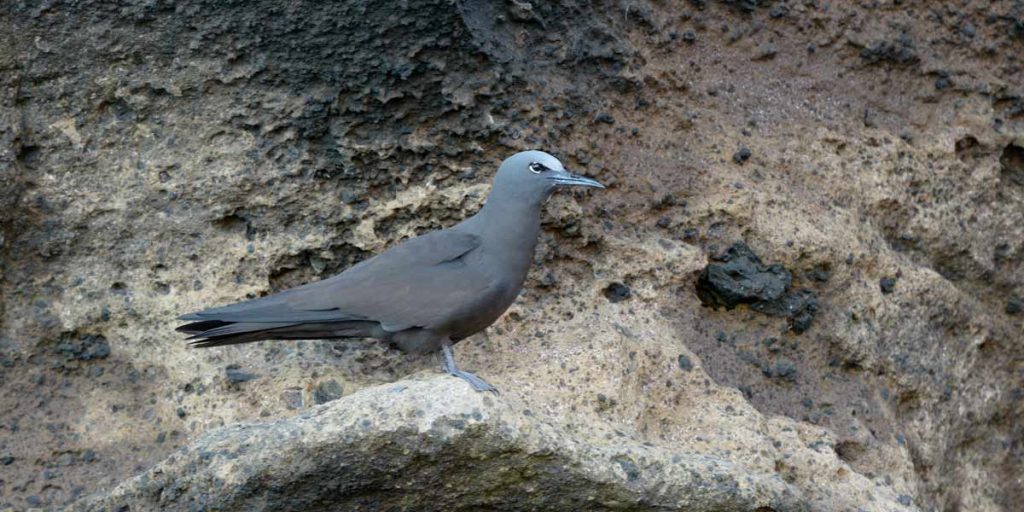
- It’s the Brown Noddy breeding season
DECEMBER- DRY SEASON
- Warm weather with temperatures from °72-°84F
- The hatching of the Giant Tortoise eggs begins and lasts till April
- The Green Turtles are in their mating season
- The magnificent red pouches of the Frigate birds can be spotted
- The young Waved Albatross’s take fight for the first time

The wildlife on The Galapagos is a year around adventure! You will almost always see Sea Lions, The Galapagos Hawk, The Galapagos Penguin, The Blue Footed Booby, The Giant Tortoises, Flightless Cormorants, Marine Iguanas no matter when you sail. Though it may depend on what Island you are visiting and if they inhabit that particular island.”
Cruising To The Galapagos
We are excited to announce our special sailing on November 11, 2023 aboard the beautiful Silversea Origin. Fill out the form below for pricing.
Whodunit Productions Inc is a Registered Seller of Travel in the State of California. #2003317-40
Whodunit Productions, Inc has been an active member of Cruise Lines International since 1991 #0041602-1